
Mostly, we are annoyed at turning the car key and hearing nothing. A non-starting car can be so annoying, especially if you’ve already been running late. It can be a nightmare, but recognising some of the most common causes might help you diagnose and respond to the situation early.
Here in this blog, we walk you through the most common reasons why your car won’t start and provide you with easy fixes to get you back on the road again.
1. Dead or Weak Battery
Cause
The first thing that will prevent a car from starting is a dead or weak battery. The battery on a car supplies the electrical power to crank the engine over and all of the accessories. Batteries will slowly lose the ability to hold a charge after sitting for long periods due to age, weather, or simply leaving lights on when the engine is off.
Symptoms
- No noise when you turn the key
- Flickering headlights or dashboard lights
- The engine cranks extremely slowly or does not crank
Solution
Jump-start your vehicle: Use jumper cables on your car and with the help of another car, carefully connect the positive to positive and negative to negative terminals and let the battery charge for a few minutes.

- Test the battery: Should the car start after a jump, chances are that the battery is dead and needs to be replaced. A mechanic or auto parts store can check its voltage.Replace the battery: Most car batteries have a lifespan of 3-5 years. If yours has passed either of these marks, replace it before this becomes a problem in earnest.Preventative Tip
Don’t leave lights on while the motor is off, and check the condition of the battery regularly.
2. Bad Starter Motor
Cause
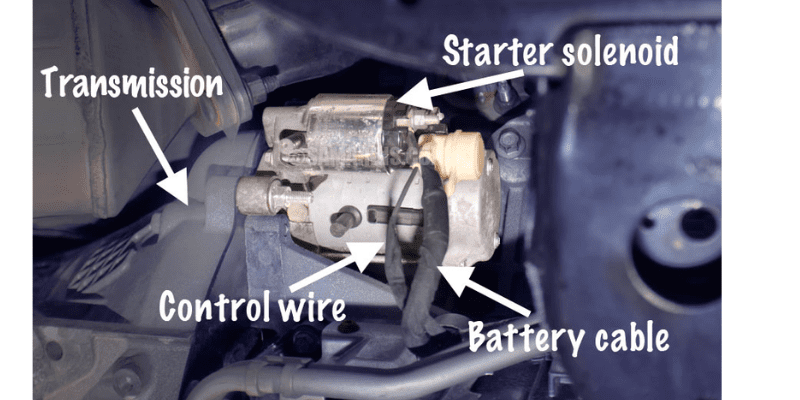
What the starter motor does: It turns over the engine when you turn the key. In case it goes bad, the engine won’t crank over even if you have a good, charged battery. This is due to age and wear and tear.
Symptoms
- One loud click or clicks when attempting to start the car
- No engine cranking, even though the dashboard lights function
- Grinding noise when attempting to turn the key (which means that the starter gears are worn out)
Solutions
-
- Check the starter motor: Check for any loose wires or corrosion around the starter.
- Tap the starter lightly: You can try removing the mechanism by tapping the starter motor with a wrench (quick fix).
- Replace the starter motor: If the starter is broken, you have to consult a mechanic who will replace it.
Preventative Tip
Regular maintenance and noticing unusual sounds during ignition can enable you to be able to get your hands on starter-related problems prior to failure.
3. Low or Empty Tank
Causes
There are times when that is enough to run out of gas. Miscalculations of the amount of fuel in the tank or perhaps driving with a faulty fuel gauge can find you stranded with an empty tank.
Symptoms
- Will turn over and won’t start
- The “empty” gas light is on
- Sudden loss of power while driving
Solution
Refill the tank: If you have a positive confirmation that the tank is empty, filling the tank will solve the problem.

- Inspect the fuel gauge: Repair it if it’s defective to prevent later misreading.Preventative TipNever let your fuel level drop to an extreme, as it may stress your fuel pump. Maintain a minimum amount of gas in the tank at all times.
4. Faulty Alternator
Cause
The alternator recharges your battery when your engine is running. If the alternator isn’t working, the battery won’t recharge and will drain to zero. This can occur abruptly or over a period of time.
Symptoms
- Dim or erratic lights
- Dashboard lights (such as the battery or “ALT” light)
- The vehicle stalls or dies after it starts
- The dead battery occurs soon after a replacement
Solution
- Jump-start the vehicle: If the vehicle starts to sputter and then stops again, the alternator is likely faulty.
- Check the alternator: Determine whether the alternator is charging properly through a multimeter or have it checked by a mechanic.
- Replace the alternator: If the alternator has failed, a new one will need to be installed by a mechanic.
Preventative Tip
Monitor dashboard warning lights and have electrical issues fixed promptly to avoid breakdowns.
5. Defective Ignition Switch
Cause
The ignition switch supplies power to the starter and other electrical components from the battery. It will not make the car start despite a fully charged battery and a good starter when it’s faulty.
Symptoms
- The dash lights may not illuminate when you attempt to turn the key
- The car will stall while in motion
- You get no response when you try turning the key
Solution
Wiggle the key: At times, you can get the ignition switch to work if you wiggle the key.
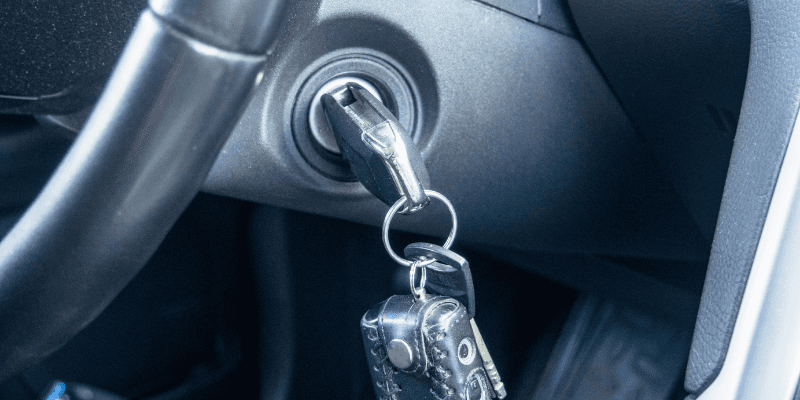
- Replace the ignition switch: In case the switch is faulty, it has to be replaced by a mechanic.Preventative TipAvoid carrying heavy keychains as they will wear out the ignition switch.
6. Clogged Fuel Filter
Cause
The fuel filter catches garbage that may be in your engine. It clogs after a while and therefore causes the fuel to flow badly; therefore, your car will not start.
Symptoms
- Cranks but won’t start
- Place a bad performance on your engine
- Stutters or hesitates during operation
Solution
Fuel filter: Replace the clogged fuel filter, and therefore, fuel will again flow into the engine.
Fuel System: Check that the fuel lines and pump have no leakage.
Preventative Tip
As part of regular maintenance, replace your fuel filter every 20,000 to 40,000 miles, depending on your vehicle model and condition.
7. Frozen Fuel Lines (Cold Weather Problem)
Cause
Water inside the fuel lines freezes, blocking the flow of fuel in freezing temperatures, which can prevent a car from starting.
Symptoms
- Won’t start in cold weather
- Crank, but runs poorly
Solution
Preheat the car: Drive it to a warmer place or install a block heater in the car.
Fuel line antifreeze: Products like HEET will de-ice frozen fuel lines and prevent future freezing as well.

Preventative Tip
Fill up your gas tank before winter so that the moisture content is kept to a bare minimum. And in case of freezing weather, fuel additives should be used all the time.
8. Immobiliser or Key Fob Fault
Cause
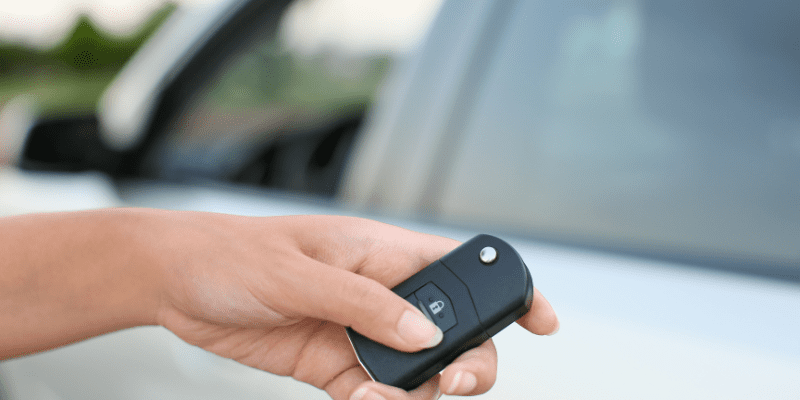
More modern cars use immobilisers or key fobs with chips that communicate with the security system of the car. The car will not start with a defective chip.
Symptoms
- The car will not start, with a flashing security light on the dashboard.
- The key fob will not unlock the car, or it is not recognised.
Solution
- Use a replacement key fob: If one has a spare key, try starting the car with it.
- Replace or reprogram the key fob: Have a locksmith service or the dealership replace the key.
Preventative Tip
Preventative Tip
Check the batteries in the key fob regularly and maintain a spare key for emergencies.
Final Thoughts
If your car won’t start, it’s easy to get frustrated. But by being aware of the signs and the usual causes—like a dead battery, faulty starter motor, or empty tank of fuel—you can take action.
If you’re unable to diagnose the problem or don’t feel confident fixing it yourself, it’s always a good idea to call a professional mechanic or roadside assistance. Solutions are having your battery inspected, replacing filters at regular intervals, and observing strange noises, come during long runs, to prevent a car breakdown.
Having a quality import specialist pick you up from your home or place of business is a game-changer. These experts provide first-class diagnostics and precise repairs and have you on your way in no time with peace of mind.
Being prepared and knowing what to look for means even a wild morning with a non-starting vehicle doesn’t ruin your day. Drive smart and stay safe!
