

Is Your Car Pulling to One Side? What Wheel Alignment Has to Do With It? If your car keeps pulling left or right against your steering, not only is it annoying, but it could be a sign of something. One of the most common culprits? Wheel alignment.
But that’s not the only reason your car pulls to one side. Let’s look at the causes, fixes, and why you might regret ignoring this problem.
“If you’re looking for expert help in Springfield, MO, visit Import Specialists for professional diagnostics and repairs.”
Misaligned wheels are among the top reasons your car pulls to one side
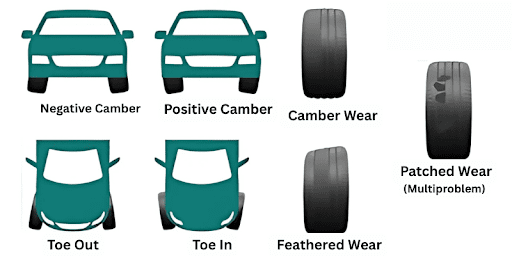
Misalignment is when your car’s wheels are not set to the manufacturer’s precise angles. A small difference will cause your car to pull in one direction, wear down your tires unevenly, and put a strain on your steering and suspension components.
“A well-aligned car will go straight and handle nicely. Anything less is not just a discomfort—it’s dangerous,” maintains John, a veteran auto mechanic who’s worked on everything from European imports to domestic sedans.
“A car that’s out of alignment is like running a marathon with one shoe loose—it wastes energy, it’s uncomfortable, and you tire faster.”
Fun Fact: Roads Are Never Built Completely Level
You’ll be astonished to learn that nearly all roads slope slightly, or have a “crown” in the middle. This is something you won’t have learned—roads slope slightly so water can flow away. That’s called the “road crown,” and that means your car will tend to sit slightly off-centre to the right (in countries with right-hand traffic).
So if your car leans just slightly, it might be okay. But when the pull is strong, ongoing, or worsening, it’s likely more than a case of road construction.
When Should You Get a Wheel Alignment?
If you:
- Just hit a curb or pothole
- Replaced your tires or suspension parts
- Notice your tire wear is uneven.
- Feel your steering wheel pulling or wobbling.
…it’s time to book an alignment check.
Most mechanics recommend a wheel alignment check every 12,000 miles or annually – whichever comes first.But if you reside in a city like Springfield, where road conditions vary with the season, more frequent checks might be a good option.
Alignment Completed but Still Drifting? Here’s What Else Might Be Wrong

Alignment is not the answer. Occasionally, even with alignment service, the pull remains. That’s when technicians look at more severe issues, like worn suspension, uneven tire pressure, or brake imbalance.
Symptoms of a Pulling to One Side of the Vehicle
Pulling to one side of the vehicle is such a common complaint that it can range from very slightly irritating to extremely hazardous.
Some symptoms will occur right away, while others will develop after some time, making them more difficult to diagnose. Here is the full breakdown of what to look for:
The Steering Wheel Is Not Centred

When travelling in a straight line, the steering wheel will be horizontal. If it is leaning to one side or the other, even when the vehicle is travelling in a straight line, this is a sign that it is out of alignment. A leaning steering wheel generally indicates that the wheel alignment must be adjusted to bring balance.
Vehicle Pulls or Drifts Without Steering Input
If the car constantly drifts to one side even when you’re not turning the wheel, this is a clear sign of an issue.
Uneven Tire Wear (Especially on the Edges)
Misalignment or suspension problems cause uneven tire wear, often visible as excessive wear on the inner or outer edges. If one tire is wearing considerably faster than the others, it’s a sign of alignment or suspension issues.
Shuddering or Wobbles in the Wheel
A wobbly or vibrating steering wheel, particularly at highway speeds, is an indication of imbalance, worn-out suspension, or bent brake rotors. This is usually coupled with pulling, which is harder to manoeuvre the vehicle.
A Subtle “Struggle” with Steering on Straight Roads
You may find that the vehicle is hard to keep straight, needing occasional but firm corrections on the steering wheel to continue travelling in a straight line.
As one owner put it, “It seemed like my car had a mind of its own,” and this indicates just how unreliable the steering can get.
Necessity for Identifying the Problem
Reduced Tire Life: Misalignment leads to uneven tire wear, and you’re forced to replace tires prematurely.
Decreased Fuel Efficiency: A dragging brake or misaligned wheels create rolling resistance, decreasing gas mileage.
Impaired Emergency Handling: If the car pulls under hard turns, it might jeopardize your ability to steer clear of accidents.
Progressive Damage: Driving continues to create more damage with an underlying cause, such as a faulty brake calliper, worn suspension part, or faulty one, adding to the expense of repairs.
Causes of a Car Pulling to One Side
A vehicle may pull to one side due to numerous mechanical faults. Beyond misaligned wheels, these are the usual suspects:
Imbalanced Tire Pressure
A very underinflated tire on one side generates more rolling resistance, which pulls the vehicle in the direction of the underinflated tire. Check tire pressures when diagnosing a pull, since this is the easiest fix.
Brake Problems
Adherecalliperer or asymmetrical brake pad wear will result in a wheel dragging, generating a pull. If a calliper pull worsens when braking, the brake system is the issue.
Suspension Issues
Worn-out control arms, bushings, or struts may change wheel alignment and weight distribution. A faulty suspension component might make the vehicle lean over slightly, leading to a loss of straight-line stability.
Tire Failure
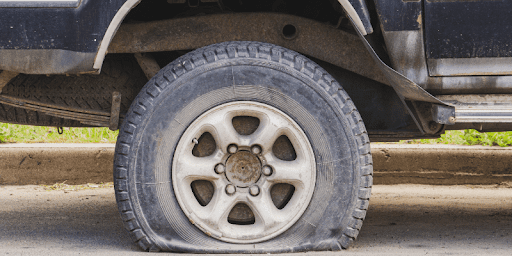
A faulty tire with internal belt separation (radial pull) might make the car pull when steering, even if the alignment is proper. Every single one of these problems needs to be repaired by a different repair process, and therefore, diagnosis is the most crucial.
If a maintenance check won’t work, a professional check is advised in order to find and repair what is causing the problem to avoid further damage or cause a safety issue.
Diagnosing Alignment Problems
Technicians use laser or electronic measuring instruments to test the angles of your wheels—camber, caster, and toe—during alignment testing. These adjustments govern your tires’ contact with the road surface.
A proper diagnostic will also check for any damage to suspension or steering components before wheel realignment. For BMW repair, even slight misalignment can interfere with performance, so accuracy is paramount.
Diagnosing Suspension Problems
If all seems well but the car still drags, your local auto mechanic will inspect the suspension. Parts like ball joints, tie rods, control arms, and struts are all factors that contribute to keeping your wheels in alignment and firmly stable.
European auto repair professionals near me are especially sensitive to the temperamental nature of import suspension systems, where minor wear can damage ride quality.
Steps to Repair Alignment Issues
Fixing alignment is typically quick, but it must be done precisely:
- Inspect tire condition and pressure.
- Check for damaged steering or suspension parts.
- Adjust camber, caster, and toe angles using alignment equipment.
- Test drive to confirm the vehicle tracks straight.
If you’re driving a luxury vehicle, like a BMW, make sure your technician understands BMW maintenance standards for factory-spec alignments.
Steps to Fix Suspension Issues
When the issue is with suspension, it requires a bit longer time, but it avoids long-term risk:
- Inspect all struts, arms, mounts, and joints.
- Replace worn or broken parts.
- Perform a new alignment after repair operations.
- Road-test under acceleration, braking, and turning conditions.
It is also the right time to correct related issues, such as BMW brake pad replacement or BMW water pump replacement, according to your mileage.
Conclusion
If your vehicle is pulling to one side, don’t wait to “see if it goes away.” Whether it’s out-of-adjustment wheels, worn suspension components, or uneven tire pressure, the longer you wait, the more harm you can do.
Safe driving starts with a straight road—and that typically translates to a visit to the right garage. For Springfield motorists who desire professional care, auto repair shops in Springfield MO, possess the know-how and facility to keep you driving safely and smoothly.
Also read about: What to Do When Your Car is not starting
